How to use your mirrors when reversing and parking
Updated October 2026
Good mirrors double your view of the road, but only when they are set properly. Most drivers see too much of their own car and too little of the lane. A two-minute set-up, done once, makes every parking manoeuvre easier.
These steps assume right-hand traffic, with the kerb on your right. If you drive on the left, swap every left and right.
Step by step
Seat first
Mirrors are set for how you sit, so adjust the seat before them: knees slightly bent, your wrist resting on top of the wheel with your shoulders back.
Side mirrors: a sliver of your car
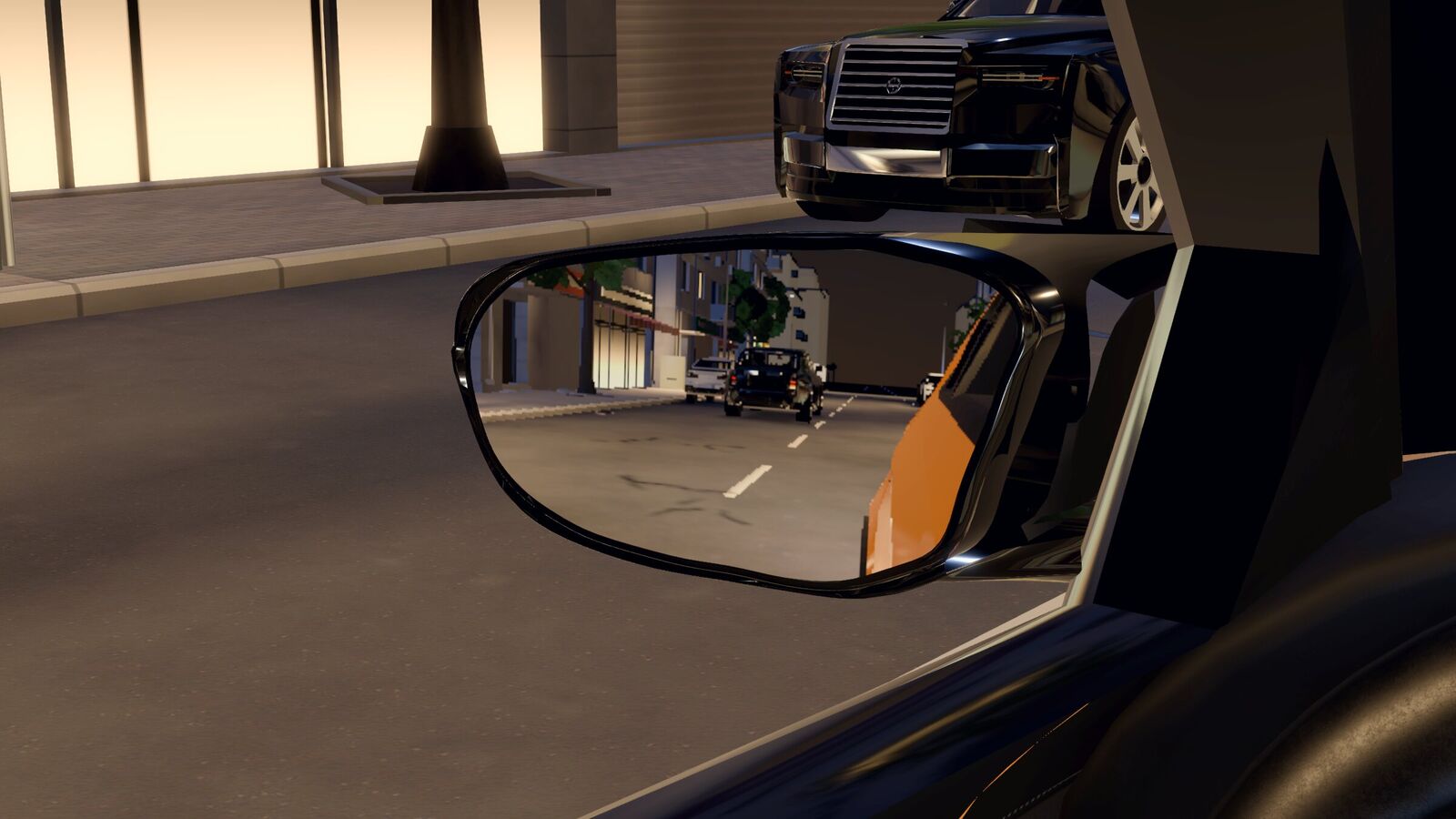
You should see only a thin strip of your own car’s side, with the horizon running through the middle of the mirror. If your car fills most of it, the lane behind you is out of sight.
Turn the side mirrors outwards
Turned out, the mirror covers the next lane and the blind spot shrinks. Ideally a car leaves your rear-view mirror just as it appears in the side mirror.
Rear-view mirror: the whole rear window
Frame the entire rear window, centred, so the picture is the same one you see when you look back.
Before parking, tip the kerb-side mirror down
Tilt the kerb-side mirror down so you see the kerb and the rear wheel together. Return it to normal when you drive off.
Common mistakes
- Seeing your own car. If the mirror shows mostly the side of your car, you are wasting the view. Turn it outwards.
- Trusting mirrors in a blind spot. The blind spot beside and behind you is covered by no mirror. Always glance over your shoulder before changing lane or pulling out.
- Setting them once and forgetting. A different driver, seat position or load changes the view. Check at the start of every journey.
Tips that make it easier
- The glance over the shoulder takes under a second and is worth it.
- Use the mirror as a ruler: the kerb or line should stay the same distance as you reverse.
- Wipe the mirrors and the camera lens before you park in rain or at night.
In the driving test
Examiners expect to see mirror checks before every manoeuvre and a shoulder check before moving off or changing direction. Practise doing them in a calm, regular rhythm.
Quick answers
What is a blind spot?
The area beside and behind the car that none of your mirrors show. A car there seems to vanish.
Should I use the mirror or look over my shoulder?
Both: the mirror for the picture, a look over the shoulder to cover the blind spot.
Do cameras replace mirrors?
No. A camera has blind corners and a flat picture; it adds to your mirrors and does not replace them.
Practise it in ParkingAim
ParkingAim shows the mirrors’ fields of view and the blind spot in the instructor’s explainers, then lets you practise with real mirrors in the cockpit.
- Straight Reversing18 m backwards through a cone corridorFree
- Parallel ParkingThe classic 45° method, between two carsFree
- Back-In Perpendicular ParkingThe safest way to park in a parking lotFull Version
Park it for real, without the risk
ParkingAim is a parking trainer for iPhone, iPad and Mac. A calm instructor’s voice talks you through each move in a 3D city, sized to your car. Three lessons are free.